Exploring the depths...

Discover the Underground

Caves and Grottoes
of Spain

Millions of years of geological history have carved some of Europe's most breathtaking subterranean landscapes beneath the Spanish terrain. From crystal-clear underground lakes to Paleolithic masterpieces, embark on a journey into the deep.

Start Exploring
Bison painting from Altamira Cave ceiling, Cantabria, Spain
Cantabria, Northern Spain

Cave of Altamira — Prehistoric Art Gallery

Often called the "Sistine Chapel of Paleolithic Art," Altamira houses polychrome paintings dating back 14,000 to 36,000 years. The original cave is closed for conservation, but the adjacent museum and replica cave faithfully recreate the experience of standing beneath those ancient bison and horses.

Read full guide
Underground river inside Coves de Sant Josep cave, Valencia, Spain
Valencia, Eastern Spain

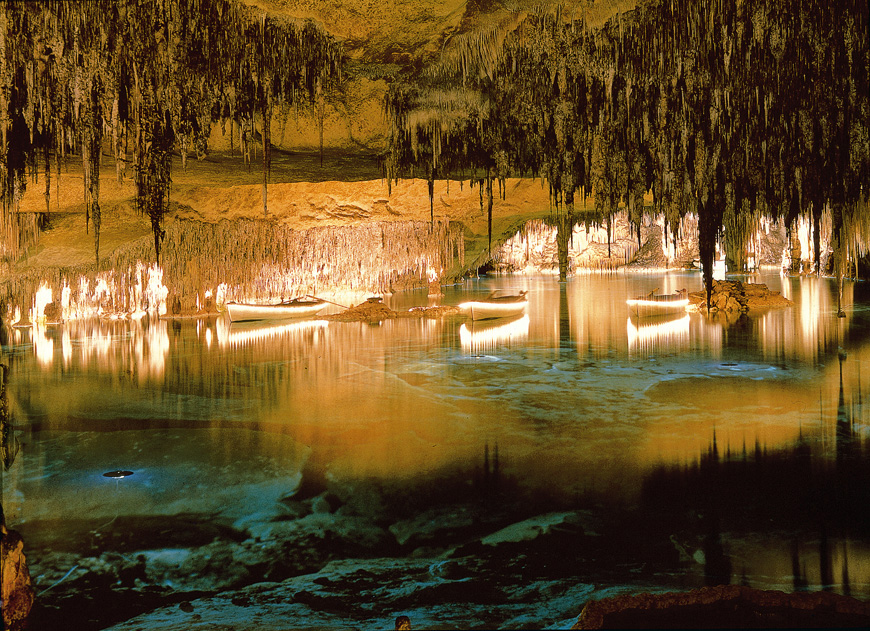
Coves de Sant Josep — Europe's Longest Underground River

Glide along the longest navigable subterranean river in Europe. The cave system at Vall d'Uixo stretches nearly 3 kilometres, with visitors travelling by boat through dramatic stalactite-lined passages illuminated to reveal millions of years of geological artistry.

Read full guide

Planning Your Cave Visit in Spain

Most show caves in Spain operate on guided tours lasting between 45 minutes and two hours. Temperatures inside typically range from 14 to 20 degrees Celsius, regardless of season, so bringing a light jacket is always recommended. Sturdy footwear with non-slip soles is essential, as many cave paths are damp. Booking tickets in advance during the summer months (June through September) is strongly advised, as popular sites like Cuevas del Drach can sell out days ahead.

Tips for Cave Explorers

01

Dress in Layers

Cave interiors maintain a constant temperature that can feel chilly after walking in the Spanish sun. A lightweight jacket or sweater will keep you comfortable without adding too much bulk for the underground walkways.

02

Wear Proper Footwear

The paths inside caves are often wet and uneven. Closed-toe shoes with good grip are a must. Sandals and heels are typically not permitted by cave operators for safety reasons.

03

Book Ahead in Peak Season

From late June through September, visitor numbers surge. Many caves offer timed entry and operate at limited capacity to protect the formations. Purchasing tickets online a few days early saves waiting time.

04

Respect the Formations

Stalactites and stalagmites take thousands of years to form even a single centimetre. Touching, leaning on or breaking them damages irreplaceable natural heritage. Stay on marked paths at all times.

05

Photography Guidelines

Most caves allow photography without flash. Flash lighting can harm cave ecosystems and disturb delicate formations. Check specific rules before your visit, as some sites restrict tripods or selfie sticks.

06

Accessibility Awareness

Not all caves are wheelchair accessible. Some involve steep staircases or narrow passages. Contact the venue ahead of time to ask about mobility accommodations and available routes.